
Detailed Reviews
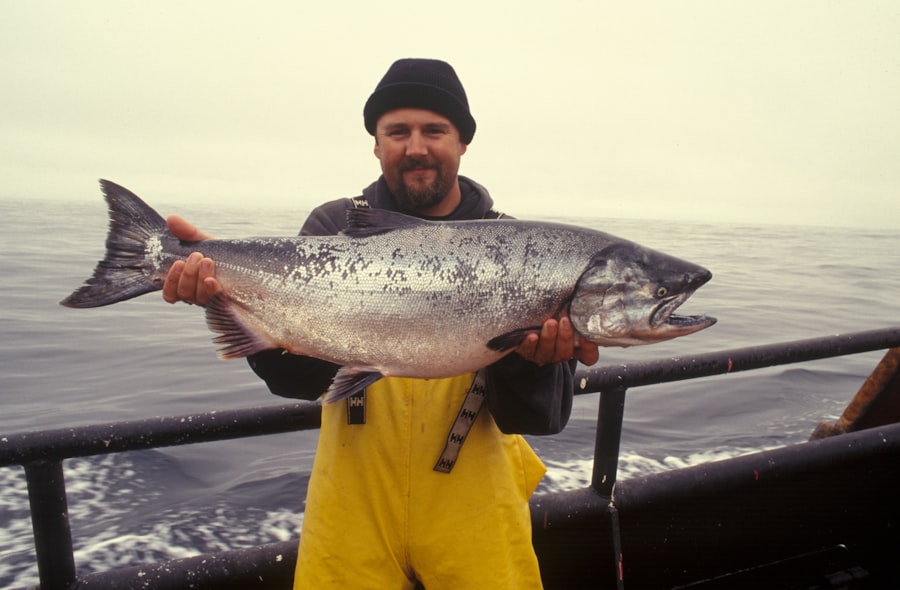
Striped bass — or stripers — are the most sought-after inshore gamefish along the Atlantic Coast from Maine to the Carolinas. They combine impressive size (fish over 50 pounds are caught regularly), aggressive feeding behavior, and remarkable accessibility from shore and boat. Understanding where stripers feed, what they eat, and how they behave through the seasons creates the foundation for consistent success.

Striped Bass Migration and Seasons
Stripers are migratory fish that spend winters in southern waters (Virginia, Maryland, North Carolina) and move north along the coast as spring warms the water. The spring migration brings fish to New England and the Northeast from April through June, with the fall migration returning fish southward from September through November.
Large trophy stripers (30+ pounds) typically migrate earlier and later than smaller fish. The peak of the migration is the best opportunity for trophy fish — late May through June in New England and September through October on the fall run.
Best Striper Techniques
Surf Fishing for Stripers
Surf fishing is the most accessible striper fishing technique — requiring only a long rod, some terminal tackle, and a beach. Key locations: the mouths of river estuaries during tidal flows, rocky points where current sweeps baitfish against structure, and the troughs (gullies parallel to the beach) where stripers patrol during feeding.
Best surf fishing rigs for stripers: a fish-finder rig with fresh cut bunker (menhaden) is deadly for trophy fish, particularly at night. Large swimbaits and bucktail jigs cast into rips produce hard-fighting fish on artificial lures. The Kastmaster spoon is a classic for long surf casts to reach fish beyond the breakers.

Boat Fishing for Stripers
Trolling umbrella rigs with multiple soft plastic shads is the most efficient method for covering water and locating feeding stripers on large bays and open water. Bunker-spoon trolling is particularly effective for trophy fish over 30 pounds. When stripers are found schooling on surface bait, casting poppers and pencil poppers into the melee produces spectacular surface action.
Live Lining
Live eels are arguably the single most effective striper bait available. A live eel on a circle hook, allowed to swim freely below a light current near productive structure, attracts trophy stripers that refuse artificial presentations. Night fishing with live eels near rips, bridge pilings, and jetty ends is the preferred technique of dedicated trophy striper hunters.
Striper Fishing Gear
Surf fishing: a 10 to 11-foot surf rod with a 6000-8000 class spinning reel loaded with 30-50 lb braid. Boat fishing: a medium-heavy 7-foot spinning or casting rod with a size 5000 spinning reel handles the majority of boat striper applications. Always use a fluorocarbon leader of 30-60 lb depending on conditions.
Bottom Line
Striped bass fishing offers exceptional diversity — from surfcasting rocky points at night with live eels to blitzing surface-feeding fish with topwater poppers from a boat, every striper encounter is memorable. Start with surf fishing using cut bunker for your first introduction to the species, then expand to artificial lures and live bait techniques as you learn their movements and habits.
🛒 Shop Related Gear on Amazon
Find the best gear for Best Striped Bass Fishing Guide – Shore, Surf, and Boat Tact — compare prices and reviews on Amazon.
FishDojo earns a commission from qualifying purchases at no extra cost to you.
Written by the FishDojo Team
The FishDojo team researches fishing gear and techniques to bring you clear, practical, no-nonsense guides for anglers of every level. Our picks focus on well-reviewed, widely trusted products.