
Detailed Reviews
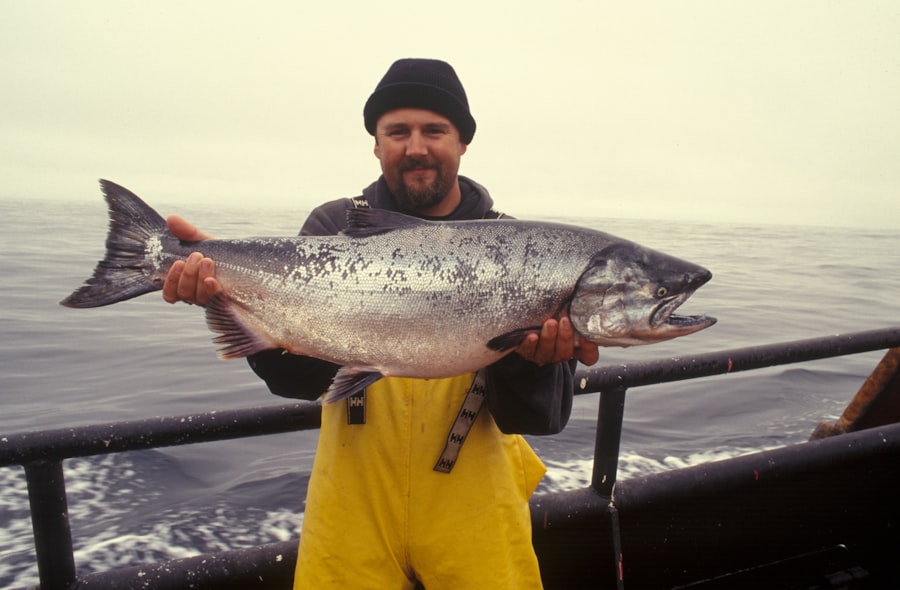
Tuna fishing is among the most thrilling experiences in all of angling — explosive strikes on the surface, screaming reel drags, and the sustained fight of a large pelagic fish in open ocean. Yellowfin tuna in the 50-200 pound range and bluefin tuna that regularly exceed 500 pounds represent the pinnacle of what’s catchable on rod and reel anywhere on earth. This guide covers the primary techniques for targeting these magnificent fish.

Finding Tuna
Tuna are pelagic fish that follow temperature breaks, baitfish concentrations, and ocean current boundaries. Modern anglers use sea surface temperature maps (available through apps like Dr. Juice and Hilton’s Offshore Navigator) to locate temperature breaks where warm and cool water masses meet. Birds — particularly frigate birds and gannets — diving aggressively indicate baitfish on the surface and tuna underneath. Floating debris and weed lines concentrate small fish that tuna follow in open ocean.
Trolling for Tuna
Trolling is the most common method for covering open ocean and locating actively feeding tuna. A typical trolling spread includes: cedar plugs on the short corner positions, skirted ballyhoo in the middle positions, and large offshore trolling lures on the long outrigger positions. Speed ranges from 7-10 knots for yellowfin; slower (4-6 knots) for bluefin targeting bigger sizes.

Chunking and Live Bait for Tuna
Once tuna are located and brought to the boat with trolling, anchoring or drifting and deploying a chum line of cut butterfish or menhaden concentrates fish behind the boat. Live bait — live mackerel and live herring — free-lined into the chum slick produces some of the most explosive strikes in fishing.
Vertical Jigging for Tuna
High-speed vertical jigging with diamond jigs and butterfly jigs has revolutionized offshore fishing — dropping jigs to the depth shown on the fish finder and cranking and jigging rapidly up produces explosive mid-water column strikes from yellowfin that may be ignoring surface presentations. Physically demanding but extraordinarily effective.
Tuna Gear Setup
Yellowfin tuna: 40-80 lb class trolling rods with 2-speed conventional reels holding 600+ yards of line. For casting and jigging: 6-foot 6-inch heavy spinning rod with size 8000-10000 spinning reel and 50-80 lb braided line. Use 80-100 lb monofilament leader for stretch protection against the violent strikes and runs of large tuna.
Bottom Line
Tuna fishing requires offshore-capable vessels, quality tackle, and either guide assistance or extensive experience. Cedar plug trolling is the most accessible starting point — cedar plugs are simple, durable, and extremely effective for yellowfin at trolling speeds. Once you’ve experienced the strike of a 100-pound yellowfin on a trolling rod, offshore fishing becomes an obsession that never fully releases its grip.
🛒 Shop Related Gear on Amazon
Find the best gear for Best Tuna Fishing Techniques – Offshore Tips for Yellowfin a — compare prices and reviews on Amazon.
FishDojo earns a commission from qualifying purchases at no extra cost to you.
Written by the FishDojo Team
The FishDojo team researches fishing gear and techniques to bring you clear, practical, no-nonsense guides for anglers of every level. Our picks focus on well-reviewed, widely trusted products.