
Detailed Reviews
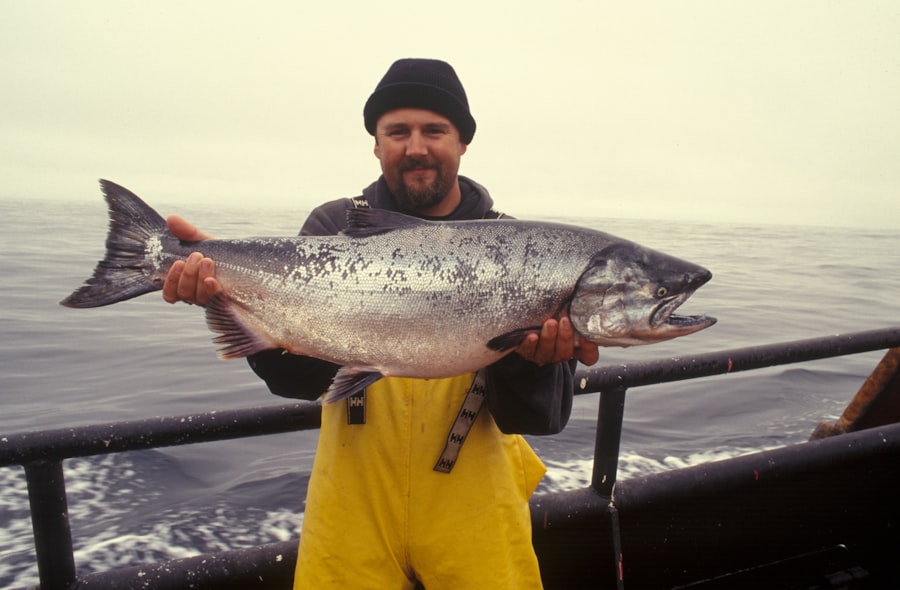
Mahi-mahi (also called dolphin or dorado) are the most colorful and visually stunning offshore fish — their brilliant electric blue, yellow, and green coloration is like nothing else in the ocean. They’re fast-growing, abundant, and found worldwide in tropical and subtropical waters. Best of all, they’re incredibly willing biters that produce excellent action for offshore anglers of all experience levels, making them the ideal introduction to blue-water fishing.

Where to Find Mahi-Mahi
Mahi concentrate around floating objects — sargassum weed lines, floating debris, crab pot floats, and FADs (Fish Aggregating Devices). Any current line, temperature break, or floating structure in 100-1000 feet of water can hold mahi. The Gulf Stream creates the most consistent mahi-mahi fishing along the Atlantic Coast — the color change between blue offshore water and the greenish inshore water marks the current edge where mahi stack up with incredible regularity from spring through fall.
The Essential Mahi Strategy
The most important tactic in mahi fishing: never bring all fish into the boat simultaneously. When you hook a mahi, fight it to the boat but keep it in the water alongside. The hooked fish’s distress signals bring the entire school to the boat. With the school clustered around the boat, everyone else should cast and catch fish one by one. When only one fish remains, bring it aboard. This school-holding technique can turn a single mahi into a box full of fish.
Best Mahi Lures and Baits
Trolling Lures
Small to mid-size trolling lures in bright colors — chartreuse, pink, blue/white — trolled at 7-10 knots along weed lines and current edges are the most efficient way to locate mahi. Feather jigs are the classic simple option; skirted ballyhoo in the 5-6 inch size with a blue/white or natural color are particularly productive.
Casting Lures
Once mahi are at the boat, bucktail jigs and small to medium poppers thrown into the school produce fast and furious action. Mahi are aggressive biters that rarely refuse a well-presented lure when they’re excited and feeding. Keep the action going constantly — idle time allows the school to disperse.
Live and Dead Bait
Live pilchards and ballyhoo rigged through the bill or back is the deadliest mahi bait when the school is close. Drop a live bait near the hooked fish and it will often be taken immediately. Fresh-rigged ballyhoo with a trolling skirt behind the boat is the most consistently productive boat-rigged option for general mahi trolling.
Mahi Gear Setup
Medium-heavy spinning or conventional tackle handles the majority of mahi fishing scenarios. A 7-foot medium-heavy spinning rod with a size 5000-6000 spinning reel loaded with 30-40 lb braided line and a 60 lb monofilament leader handles mahi from 5 to 50+ pounds. Heavier bull mahi (30+ pounds) may require 40-50 lb class gear for extended fights.
Bottom Line
Mahi-mahi are the perfect entry species for offshore fishing — aggressive, abundant, colorful, and delicious. Troll feather jigs or rigged ballyhoo along weed lines and current edges to find fish, hold the school at the boat with a hooked fish in the water, and watch everyone catch mahi simultaneously. Few offshore fishing experiences match the excitement of a school of 20+ mahi lighting up around your boat.
🛒 Shop Related Gear on Amazon
Find the best gear for Best Mahi Mahi Fishing Guide – How to Catch More Dolphin Fis — compare prices and reviews on Amazon.
FishDojo earns a commission from qualifying purchases at no extra cost to you.
Written by the FishDojo Team
The FishDojo team researches fishing gear and techniques to bring you clear, practical, no-nonsense guides for anglers of every level. Our picks focus on well-reviewed, widely trusted products.