
Detailed Reviews

Largemouth bass is the most popular sport fish in North America — pursued by more anglers than any other freshwater species. While the average largemouth weighs 1-3 pounds, true trophy bass (7+ pounds in northern states, 10+ in the South) represent the ultimate goal for dedicated bass anglers. Understanding what separates trophy-producing water and trophy-producing techniques from average fishing dramatically improves your chances of landing a fish of a lifetime.
World Record and State Records
The all-tackle world record largemouth bass of 22 pounds 4 ounces was caught by George Perry in Montgomery Lake, Georgia in 1932 — a record that has stood for nearly a century despite being pursued by millions of anglers. It was matched (but not beaten) by Manabu Kurita in Japan in 2009, who caught a 22-pound 4-ounce largemouth on Lake Biwa, creating a co-world record. Southern states including California, Texas, Florida, and Georgia produce the most trophy bass due to warmer climates that allow year-round feeding and faster growth rates.
What Makes a Trophy Bass Lake?
Not all water is created equal for trophy bass. Lakes with these characteristics produce consistently larger fish: abundant forage (especially large prey like trout, bluegill, and shad), excellent water quality, relatively light fishing pressure, appropriate habitat (abundant submerged structure and vegetation), and a temperate climate that allows extended growing seasons.
Trophy Bass Techniques
The Big Bait Philosophy
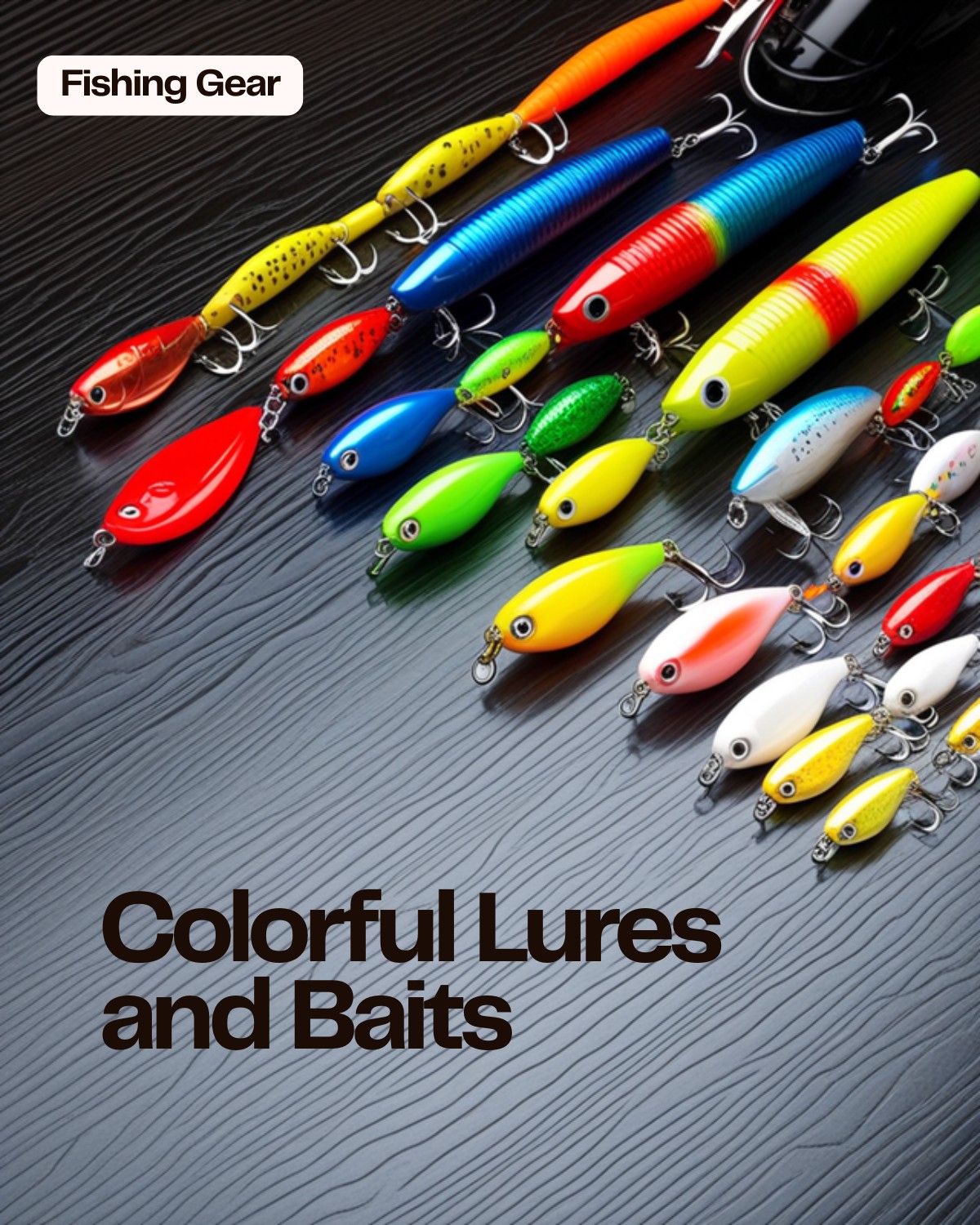
The bass record books show that large bass are disproportionately caught on large baits. A 4-5 inch swimbait catches plenty of bass in the 2-4 pound range, but a 10-12 inch glide bait or massive paddle tail swimbait specifically targets the trophy-class fish that need large prey to justify the energy expenditure. Trophy hunters in California and Texas routinely use 8 to 12-inch swimbaits that weigh 3-6 ounces specifically to filter smaller fish and target giants.
Night Fishing for Trophy Bass
The largest bass in any body of water are almost always caught after dark. Trophy fish become nocturnal to avoid boat traffic and angling pressure. Black and dark-colored jigs and large black worms worked slowly along the bottom near deep structure on warm summer nights is the most consistent trophy bass technique across the country.
Bed Fishing Giants
The spawning period (water temps 58-68°F) puts giant females in visible, shallow locations accessible to sight-fishing. Large female bass are highly protective of nests and will attack persistent lures repeatedly. Soft plastic lizards, big worms, and swimbait jig heads presented directly on or near a visible bed can trigger the catch of a lifetime.
Best Trophy Bass Lures
Big swimbaits for clear water lakes, large black jigs for night fishing, magnum soft plastics like 10-inch worms and large creature baits, and large frogs in thick heavy cover. Every technique has a magnum version — think big to catch big.
Bottom Line
Trophy bass fishing rewards patience, persistence, and a willingness to put in hours for a single bite. Upgrade to larger baits — large swimbaits, big frogs in thick cover, and magnum worms, fish after dark with dark jigs, and target lakes known for producing big fish. The path to a 10-pound bass is longer but infinitely more rewarding than a limit of 2-pounders.
🛒 Shop Related Gear on Amazon
Find the best gear for Best Largemouth Bass Records and Trophy Fishing Tips — compare prices and reviews on Amazon.
FishDojo earns a commission from qualifying purchases at no extra cost to you.
Written by the FishDojo Team
The FishDojo team researches fishing gear and techniques to bring you clear, practical, no-nonsense guides for anglers of every level. Our picks focus on well-reviewed, widely trusted products.