
Detailed Reviews
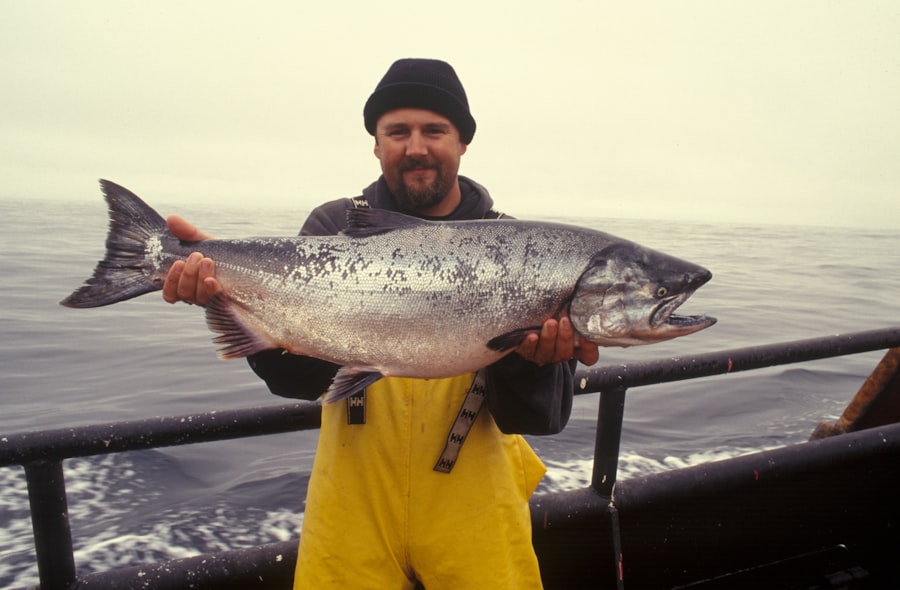
Inshore saltwater fishing offers some of the most exciting light-tackle action available anywhere — sight-casting to redfish tailing on shallow flats, watching snook explode on topwater lures along mangrove edges, and fighting speckled trout that go airborne the moment they feel the hook. This guide covers the essential techniques, inshore fishing lures, and tactics for the three most popular inshore species.
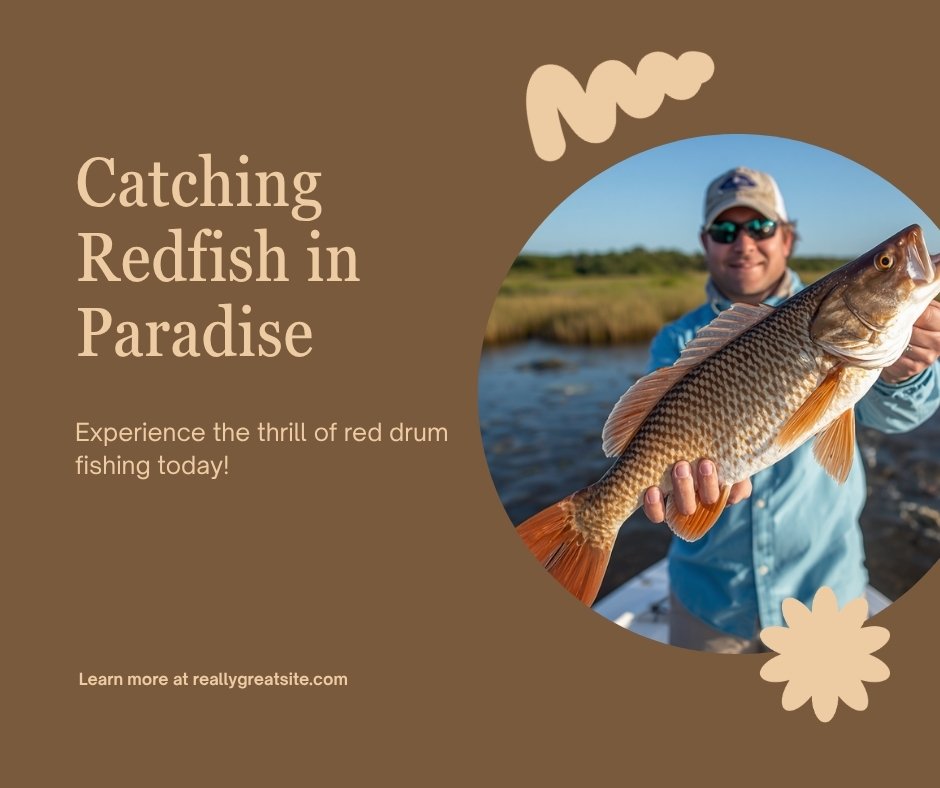
Redfish (Red Drum) Fishing
Redfish are one of the most sought-after inshore species from the Carolinas to Texas. Their copper-colored flanks, distinctive tail spot, and aggressive surface feeding make them a perfect light-tackle target. Redfish are found in a wide range of environments — shallow grass flats, oyster bars, mangrove edges, and deep tidal creeks — making them accessible to anglers on foot and in boats.
Best Redfish Lures
Gold spoons are arguably the most iconic redfish lure — a 1/2 oz weedless gold spoon worked slowly along grass edges produces redfish in virtually any inshore environment. Soft plastic shrimp imitations like the DOA Shrimp and Vudu Shrimp are deadly under a popping cork rig. For sight-casting tailing redfish on shallow flats, a topwater walking bait cast beyond the fish and worked back into its path rarely fails to produce explosive strikes.
Snook Fishing
Snook are one of Florida’s most prized game fish — fast, powerful, and with a flair for structure that tests every angler. They’re found along mangrove edges, dock pilings, inlets, and passes, typically in ambush positions facing tidal current to pick off baitfish washing by.
Best Snook Lures and Techniques
Work DOA Baitbusters and live pilchards along mangrove edges on a falling tide — snook move shallow as the tide falls and becomes most aggressive as water levels drop. For artificial lures, bucktail jigs worked through inlet current at night around lighted dock edges produce trophy snook that few other techniques can match. A 30 lb fluorocarbon leader is non-negotiable — snook will cut through lighter line on the first run into dock pilings or mangrove roots.

Speckled Trout (Spotted Seatrout) Fishing
Speckled trout are the most widely distributed inshore species along the Gulf Coast and Atlantic seaboard. They’re aggressive, available in large numbers, and deliver acrobatic fights on light spinning gear. Grass flats in 2-6 feet are their primary habitat, and they feed heavily on shrimp and small baitfish throughout the year.
Best Speckled Trout Techniques
The most effective setup for speckled trout is a popping cork with a 18-24″ leader to a Gulp Shrimp or live shrimp. Pop the cork aggressively, let it settle, and repeat — the noise mimics a feeding disturbance that draws trout from distance. Soft plastic paddle tail swimbaits worked slowly along the bottom of grass flats produce larger average fish than the popping cork system, particularly in cooler months.
Inshore Gear Setup
A 7-foot medium spinning rod paired with a size 3000-4000 spinning reel handles all three species effectively. Load with 20-30 lb braided line and a 20-30 lb fluorocarbon leader to handle the abrasion of oyster bars and dock structures. All components must be corrosion-resistant — rinse with fresh water after every trip.
Tides and Fishing Success
Inshore fishing success is directly tied to tidal movement. A moving tide — whether incoming or outgoing — concentrates baitfish and triggers feeding activity in predators. The strongest bite typically occurs 1-2 hours before and after high or low tide. Plan trips around tidal movement rather than time of day for dramatically better results.
Bottom Line
For redfish, a weedless gold spoon covers every situation. For snook, live bait and bucktail jigs on falling tides along structure. For trout, the popping cork with Gulp Shrimp system is hard to beat. Master the tides and these three presentations, and inshore saltwater fishing will become your obsession.
🛒 Shop Related Gear on Amazon
Find the best gear for Best Inshore Saltwater Fishing Guide – Redfish, Snook, and T — compare prices and reviews on Amazon.
FishDojo earns a commission from qualifying purchases at no extra cost to you.
Written by the FishDojo Team
The FishDojo team researches fishing gear and techniques to bring you clear, practical, no-nonsense guides for anglers of every level. Our picks focus on well-reviewed, widely trusted products.