
Detailed Reviews
A weak knot is the most common reason anglers lose big fish. You can have the best fishing rod and the most expensive fishing reel, but if your knot fails at the critical moment, none of it matters. Learning a handful of strong, reliable fishing knots will instantly make you a more successful angler.
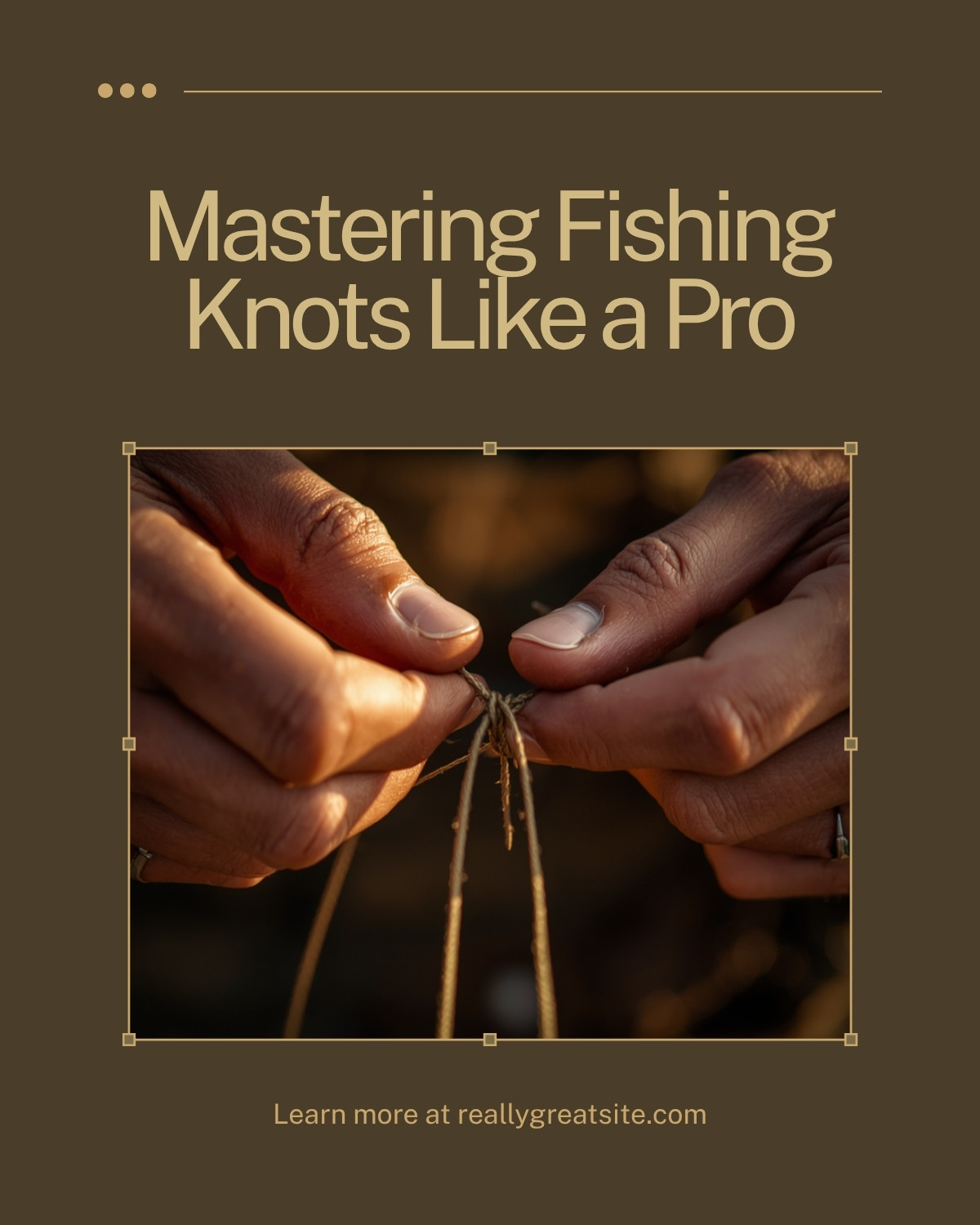
The Most Important Fishing Knots
1. Palomar Knot – Best for Hooks, Lures, and Swivels
The Palomar knot maintains nearly 100% line strength and is remarkably easy to tie consistently. It’s the go-to knot for connecting hooks to line, attaching soft plastic baits to jig heads, and connecting swivels. Essential for braid to leader connections when using light terminal tackle.
How to tie: Double 6 inches of line and pass the loop through the hook eye. Tie a loose overhand knot with the doubled line. Pass the hook completely through the loop. Pull both the standing line and the tag end to cinch. Trim the tag end close.
2. Improved Clinch Knot – The Classic Monofilament Knot
The Improved Clinch knot is the knot most anglers learn first and use their entire life. Quick to tie, adequate strength with monofilament, and versatile for connecting hooks, lures, and swivels. Moisten before cinching — dry knots lose significant strength from friction heat.
How to tie: Thread 6 inches of line through the eye. Wrap the tag end around the standing line 5-6 times. Pass the tag end through the small loop near the eye, then through the large loop just formed. Moisten and pull tight.
3. Uni Knot – Best All-Purpose Knot
The Uni knot ties quickly, maintains excellent strength in both monofilament and fluorocarbon, and is used for connecting fluorocarbon line to hooks and for the Double Uni (line to line connection). Many professional anglers use only the Uni knot for their entire terminal tackle system.
4. Double Uni Knot – Best for Line-to-Line Connections
When connecting braid to fluorocarbon leader, the Double Uni maintains excellent strength and passes through rod guides smoothly. Tie a uni knot with the braid around the fluoro, and a second uni knot with the fluoro around the braid. Pull both tag ends to slide the knots together and cinch firmly.
5. FG Knot – Best Braid-to-Leader Knot for Tournament Anglers
The FG knot creates the smallest, strongest braid-to-fluoro connection available — it passes through guides with zero resistance and tests at 90-95% of line strength. The tying process is more complex than the Double Uni, but the performance difference is significant for anglers who fish braid-to-fluoro systems daily. Use a FG knot tool to tie it consistently until you master the manual technique.
6. Blood Knot – Best for Joining Equal-Diameter Lines
The Blood knot is the traditional fly fishing knot for joining leader sections of similar diameter. It creates a clean, symmetric connection that slides through rod guides smoothly — critical in fly fishing where leader materials of different test strengths must be joined seamlessly.
Knot-Tying Tips
Always moisten knots with saliva before cinching — dry knots lose 15-25% of their strength from friction heat. Inspect knots after tying by pulling the hook firmly — a good knot should feel absolutely solid with zero slipping. Replace knots after catching large fish or any significant fight — stress can compromise the knot structure even when it looks fine visually. Use a fishing line clipper to trim tag ends cleanly and avoid fraying that weakens the connection over time.
When to Use Which Knot
Palomar for all direct connections to hooks and lures with braid or fluorocarbon. Improved Clinch for monofilament connections to terminal tackle. Double Uni for connecting braid to fluorocarbon leaders quickly in the field. FG Knot when you need maximum strength and castability for the braid-to-leader connection. Blood Knot for building custom fly fishing leaders from different tippet sections.
Bottom Line
Master the Palomar, Improved Clinch, and Double Uni — these three cover 95% of your fishing knot needs. When you’re ready to level up, add the FG knot for the strongest possible braid-to-leader connection. Practice tying knots at home until muscle memory takes over — on the water in the wind with fish jumping in front of you is not the time to learn a new knot.
🛒 Shop Related Gear on Amazon
Find the best gear for Best Fishing Knots Every Angler Must Know – Step-by-Step Gui — compare prices and reviews on Amazon.
FishDojo earns a commission from qualifying purchases at no extra cost to you.
Written by the FishDojo Team
The FishDojo team researches fishing gear and techniques to bring you clear, practical, no-nonsense guides for anglers of every level. Our picks focus on well-reviewed, widely trusted products.